The digital twin your project actually needs (it's not the one in the brochure)
Everyone wants a twin for the buyers. The one that pays for itself is the twin your board, your engineers, and your operations team argue inside of, before the argument gets expensive. A field guide to spending the budget where it returns.
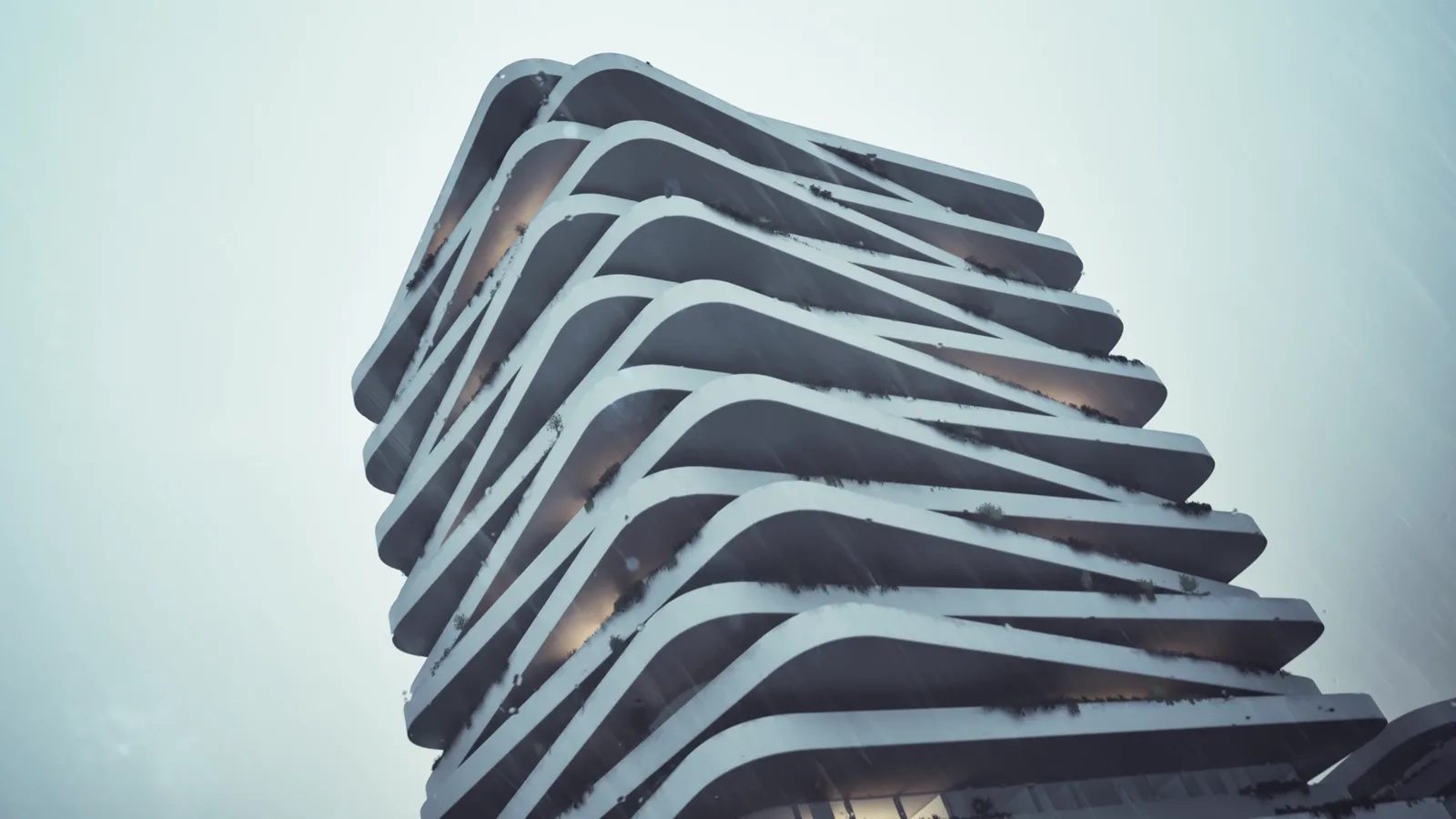
When a developer asks me for a digital twin, they are almost always picturing the sales version: the glossy interactive model on a touchscreen in the gallery, buyers spinning the tower, tapping units, watching the sun arc across a facade. That twin is real, I build it, and it earns its keep.
But it is the second most valuable twin I make. The most valuable one rarely makes the brochure, because it is not for the buyer at all. It is for everyone on your side of the table who is currently making expensive decisions about a building none of them can see.
Decisions get made blind, and blindness has a price
Look at how a large development actually moves. A board approves phases from PDF plans. Engineering coordinates from drawings and a stack of disciplines that rarely overlay cleanly. Operations plans staffing, security, and maintenance for a building nobody has ever walked through. Marketing sells a lifestyle from renders. Every one of these people is deciding from a different mental model of the same unbuilt thing, and no two of those models match.
That mismatch is not free. It surfaces later as change orders, as redesigns, as the approval that stalls because a committee cannot picture what they are approving, as the operations team discovering at handover that a service corridor is too tight for two trolleys to pass. On a project of any real scale, the cost of everyone deciding blind dwarfs the cost of the visualization that would have prevented it. The chaos is just distributed across departments and budgets so no single person ever sees the total bill.
People cannot disagree productively about a space until they have stood in the same version of it. The twin is that shared version. One model, one truth.
What the operations twin actually is
The decision twin is an accurate, navigable 3D model of the building that stays honest to the design data and, where it matters, connects to the systems that will run the place. It is not a render and it is not a game. It is a single environment every department can enter and interrogate.
The board does not review a plan of the podium, they stand on it and see the sightline to the water. The operator does not read a corridor width off a drawing, they walk it and feel that it is tight. The security lead traces camera coverage against actual geometry instead of a symbolic dot on a floor plate. I have watched a single walkthrough end a debate that had survived six meetings, because the disagreement turned out to be two people imagining two different buildings and calling them the same name.
Maquette versus twin: know which one you're buying
There is an important and often blurred line here, and getting it wrong wastes money in both directions. A digital maquette is the interactive model: explore the building, select floors and units, share it as a link. It is a sales and communication instrument, and for most marketing needs it is exactly enough. You do not need live data to help a buyer choose a unit.
A digital twin is the maquette plus the living data: it connects to building management systems, sensors, occupancy, parking, cameras, and APIs, and it reflects the real state of the real building. That connection is where the operational value lives, and also where the cost and complexity live. If you only need buyers to explore and choose, commission the maquette and do not pay for integrations you will never switch on. If you need to run the building, or to sell a managed, connected asset, the twin is the tool. The failure mode I see most often is paying twin money for maquette needs, or worse, buying a maquette and expecting it to run operations.
Then the same model sells
Here is the part I like most, and the part that changes the economics. The operations twin does not die when the project is approved. Re-dress it, re-light it, strip out the technical overlays, and it becomes the sales experience, the marketing film, the browser walkthrough, the headset demo at the launch event. You paid once for the geometry and the truth of the building. Everything after that is a costume change, not a rebuild.
So if you are weighing a twin for your next development, flip the usual order. Do not start with the buyers. Start with the decisions: which arguments keep recurring, which approvals keep stalling, which operational surprises you can predict will happen at handover. Build the twin to kill those first. Sell with it second. The buyers still get their glossy tower to spin, and you stop paying, quietly and across a dozen line items, for a building that too many people were only ever imagining.

Moustafa Moussa
3D technical art director. I make the unbuilt feel real.