Case study
A masterplan-scale project where every stakeholder carried a different picture of the same development, and alignment meetings kept producing more meetings.
The challenge
Masterplans fail in the gap between the drawing and the imagination. The plan is accurate but unreadable to non-architects; each stakeholder fills the gaps with their own version, and they only discover the versions differ when money is already committed.
This project had operators thinking about crowd flow, investors thinking about phases, and designers thinking about identity, all debating a coloured site plan none of them could stand inside.
What I did
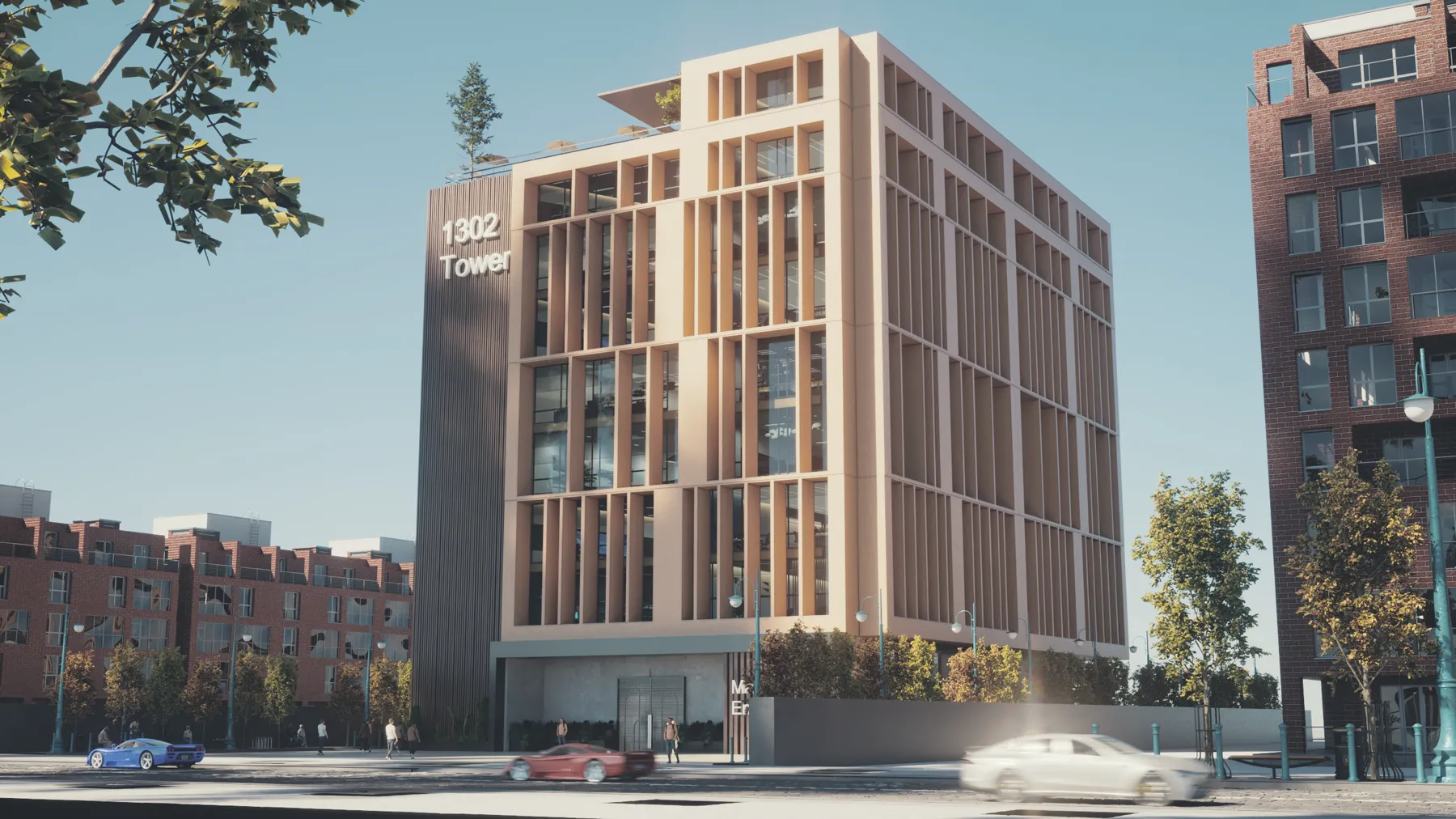
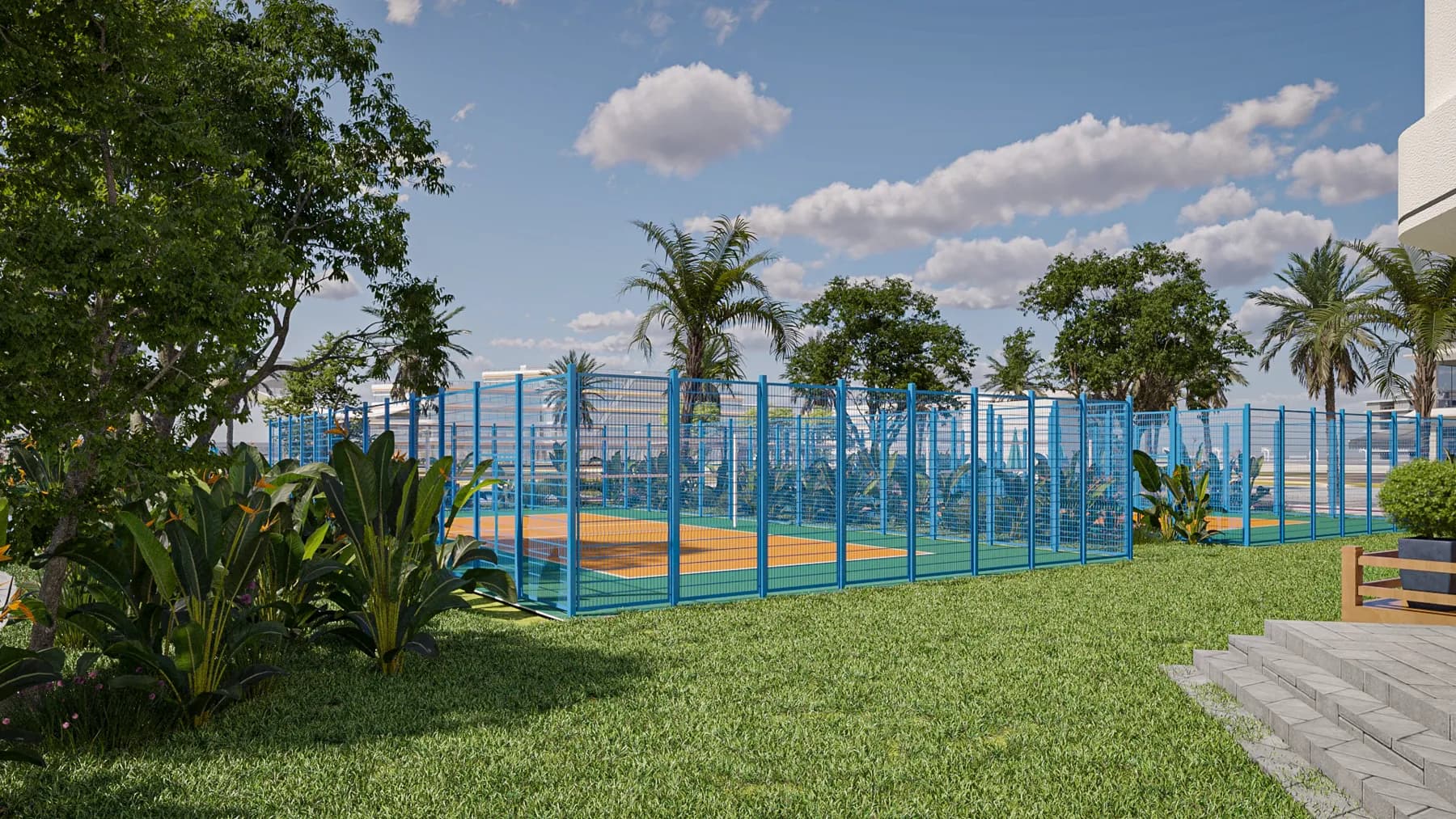
- 01Built one coherent visual story from gate to pitch: aerials for scale and phasing, then eye-level views for what a visitor actually feels.
- 02Sequenced the imagery like a visit, arrival, concourse, venue, so stakeholders argued about the same experience instead of abstract zones.
- 03Made the contested decisions visible: the views that answered a debate got rendered first, not the prettiest ones.
- 04Kept one grade and one lighting logic across the set so the masterplan reads as one place with one identity.
The craft
At masterplan scale the craft is editorial, deciding what NOT to show. Forty images nobody remembers lose to twelve that settle arguments. Every frame had a job: answer a question someone kept asking in meetings.
The result
The visuals became the single reference everyone argued against, in the good way. Decisions started closing in the room instead of surviving to the next review, and the same set moved straight into investor material without rework.